
In today’s petrochemical industry, continuous refinery operation is the foundation of profitability. When an unplanned shutdown occurs, losses are often calculated by the hour, and the impact may extend far beyond lost production.
For refinery, petrochemical, and chemical plant maintenance teams, heat exchanger maintenance is one of the key tasks during shutdowns and turnarounds. A tube bundle extractor helps remove and reinstall tube bundles in a controlled, efficient, and safer way, making it an important tool for reducing downtime and improving maintenance efficiency.
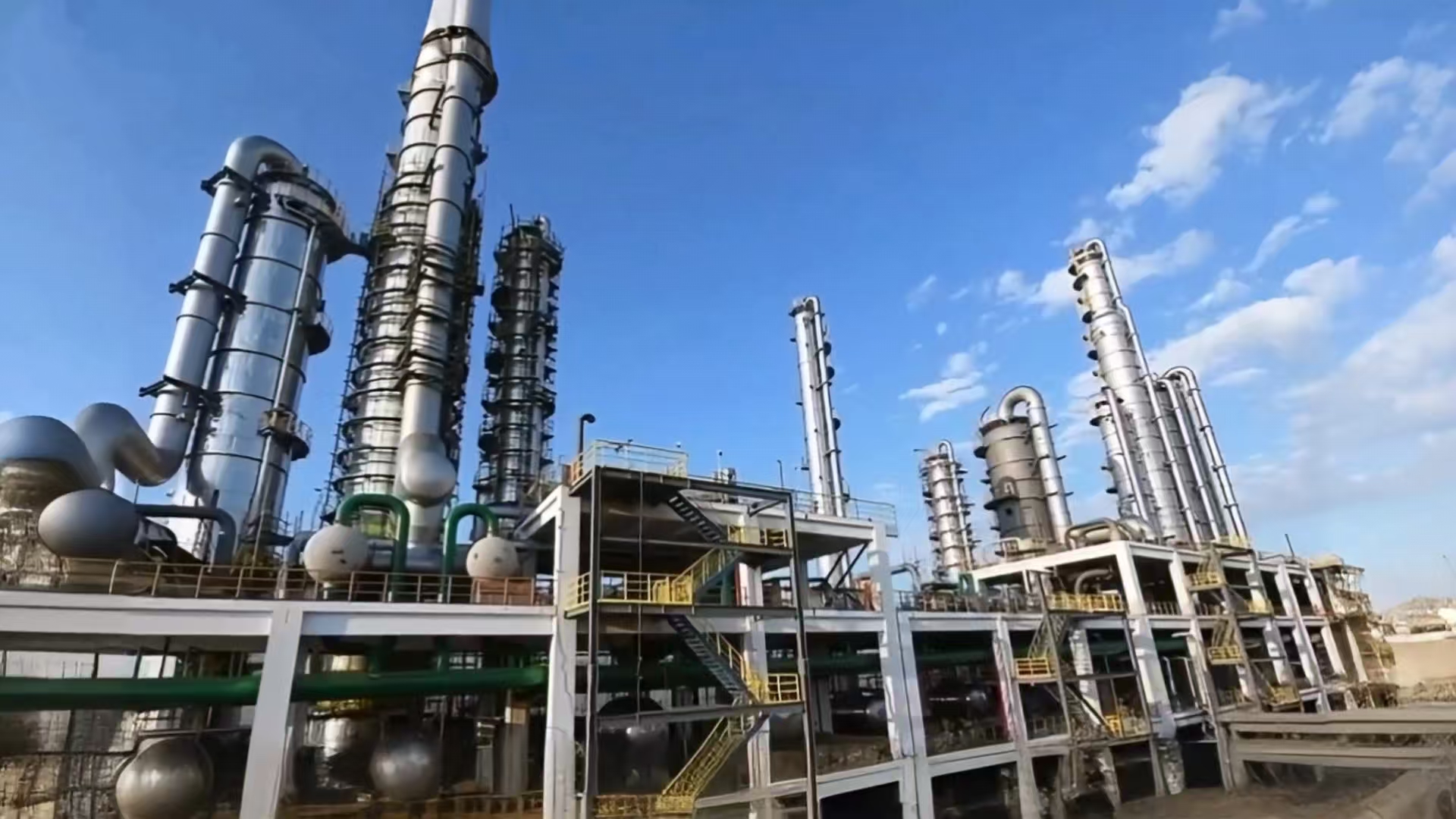
Why Refinery Shutdown Time Is So Expensive
A refinery shutdown can affect production output, labor scheduling, crane availability, subcontractor coordination, spare parts planning, and restart timing. Even a short delay in one maintenance step can influence the overall turnaround schedule.
In many maintenance projects, the cost is not only the direct repair expense. It also includes equipment standby time, manpower cost, lost processing capacity, safety risk exposure, and possible delays to downstream operations.
Heat Exchangers Are Critical During Turnarounds
Shell-and-tube heat exchangers are widely used in refineries and petrochemical plants. During shutdown maintenance, tube bundles often need to be pulled out for cleaning, inspection, repair, replacement, or retubing.
If the bundle removal process is slow, unstable, or unsafe, it can become a bottleneck for the whole maintenance schedule. This is why proper extraction equipment is important, especially for heavy, long, or fouled tube bundles.
The Role of Tube Bundle Extractors
A tube bundle extractor, also called a bundle puller, is designed to pull and support tube bundles from heat exchangers with controlled hydraulic movement. Compared with manual pulling or improvised methods, a properly selected extractor can improve both safety and efficiency.
- Reduced downtime: faster and more predictable bundle removal helps shorten maintenance duration.
- Improved safety: stable support and controlled pulling reduce the risk of sudden movement or bundle slipping.
- Better equipment protection: guided extraction helps reduce damage to tube bundles, shells, and surrounding structures.
- Higher site efficiency: the machine allows maintenance teams, cranes, and lifting tools to work with clearer procedures.
What to Confirm Before Selecting a Bundle Extractor
To choose a suitable tube bundle extractor for a shutdown project, the engineering team should review both bundle data and site conditions. The key information normally includes:
- Tube bundle weight, length, and outside diameter.
- Working height and exchanger installation position.
- Available access space for machine positioning and bundle storage.
- Site power condition and preference for diesel or electric drive.
- Site photos, exchanger drawings, and any special structure limitations.
Diesel or Electric Configuration
Diesel-powered models are suitable for outdoor refinery sites, remote maintenance areas, and shutdown projects where independent power supply is needed. Electric-powered models are suitable for workshops, indoor areas, or projects where stable power is available and lower noise or cleaner operation is preferred.
Conclusion
Refinery shutdown losses can be significant, and heat exchanger maintenance often plays an important role in turnaround progress. A reliable tube bundle extractor helps maintenance teams remove bundles more safely, efficiently, and predictably.
For projects involving heavy or long tube bundles, it is recommended to share exchanger drawings, bundle size, bundle weight, and site photos with the equipment manufacturer before selecting the final model.