
Heat exchanger maintenance is a critical part of refinery, petrochemical, and industrial plant operation. When tube bundles need to be removed for inspection, cleaning, or repair, choosing the right heat exchanger bundle extractor is essential for safety, efficiency, and project success.
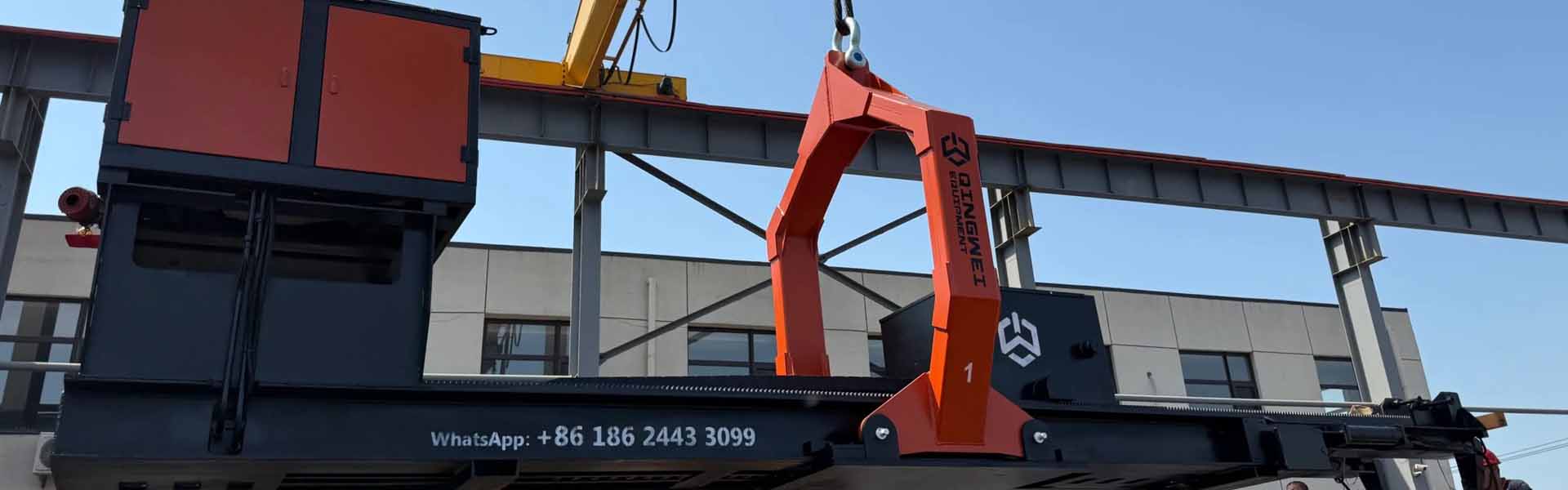
A bundle extractor, also commonly called a bundle puller, is designed to remove tube bundles from shell-and-tube heat exchangers in a controlled and stable way. The right equipment can reduce manual handling, shorten shutdown time, and improve onsite maintenance safety.
1. Confirm the Tube Bundle Specifications
Before selecting a bundle extractor, the first step is to confirm the basic tube bundle data. These dimensions directly affect model selection, pulling capacity, support structure, and machine length.
- Bundle weight: maximum bundle weight including any fouling, residue, or retained liquid.
- Bundle length: overall tube bundle length and required extraction stroke.
- Bundle diameter: outside diameter and saddle support requirements.
- Shell position: working height, access direction, and surrounding space limitations.
2. Match Pulling Capacity with Real Jobsite Conditions
Nominal tonnage is important, but practical maintenance conditions are equally important. A tube bundle that has been in service for years may require higher initial pulling force due to corrosion, fouling, gasket adhesion, or deformation.
For demanding refinery or petrochemical maintenance jobs, it is usually better to reserve a safety margin rather than selecting a model only based on theoretical bundle weight.
3. Choose Diesel or Electric Power According to the Site
Power configuration should match the actual working environment. Diesel-powered bundle extractors are suitable for outdoor maintenance, remote sites, and shutdown projects where external power supply is limited. Electric-powered models are suitable for workshops, indoor sites, and stable environments with available power supply.
Diesel-powered bundle extractor
- Independent power supply for field work and remote maintenance areas.
- Suitable for outdoor refinery and petrochemical turnaround projects.
- Good mobility when site electricity is limited or unavailable.
Electric-powered bundle extractor
- Cleaner and lower-noise operation for indoor maintenance or workshop use.
- Stable power source when 380V / 50Hz or project-specific electricity is available.
- Suitable for customers who prioritize lower emissions and simplified daily operation.
4. Evaluate Stability, Support, and Control
For heat exchanger bundle extraction, stability is just as important as pulling capacity. The machine should support the bundle properly, control the pulling movement smoothly, and reduce the risk of bundle slipping or sudden movement.
Important design details include saddle structure, guiding stability, locking arrangement, hydraulic control response, and the rigidity of the main frame.
5. Consider Access Space and Lifting Requirements
Many maintenance projects are carried out in congested refinery areas. Before confirming the machine model, check the space required for machine positioning, bundle extraction, crane operation, and bundle storage after removal.
If the exchanger is located at height or inside a steel structure, additional planning may be required for lifting, installation, and safe equipment positioning.
6. Work with a Manufacturer That Can Provide Technical Support
A reliable bundle extractor supplier should not only provide equipment, but also help review the working conditions and recommend a practical model. Technical support, spare parts supply, operation guidance, and after-sales service are important for long-term use.
Conclusion
Choosing the right heat exchanger bundle extractor requires more than comparing tonnage. The best solution should match bundle size, bundle weight, working height, site environment, power availability, and safety requirements.
If you are preparing a refinery, petrochemical, or industrial maintenance project, sharing your bundle specifications and site conditions can help the engineering team recommend the most suitable diesel or electric bundle extractor model.